

Leveling a mobile home may look like a daunting task, but with the proper guidance and tools, it can be a feasible DIY project. A correctly leveled home not only guarantees structural stability but also boosts the comfort and safety of your living space. If you've observed signs such as uneven floors, sticking doors, or cracking walls, it may be time to act. This guide is here to walk you through the full process of leveling your mobile home without excessive stress.
Comprehending why your mobile home needs leveling is the initial step. Over time, settling can happen due to soil conditions, freeze-thaw cycles, or even everyday wear and tear. With our step-by-step instructions, you will learn how to check for level, secure the frame, and utilize basic tools to achieve a stable and safe living environment. Whether you’re confronting a sloped lot or want to prevent future issues, we have the strategies you need to make sure your home remains level for the foreseeable future to come.
Comprehending Manufactured Home Leveling
Leveling a mobile home is a vital upkeep task that guarantees your dwelling is secure and safe. Over time, manufactured homes can shift unevenly due to multiple factors such as soil movement, climatic variations, and moisture fluctuations. If left unchecked, an unlevel mobile home can lead to a range of complications, including a compromised structure, sticking doors and windows, and problems with plumbing and wiring.
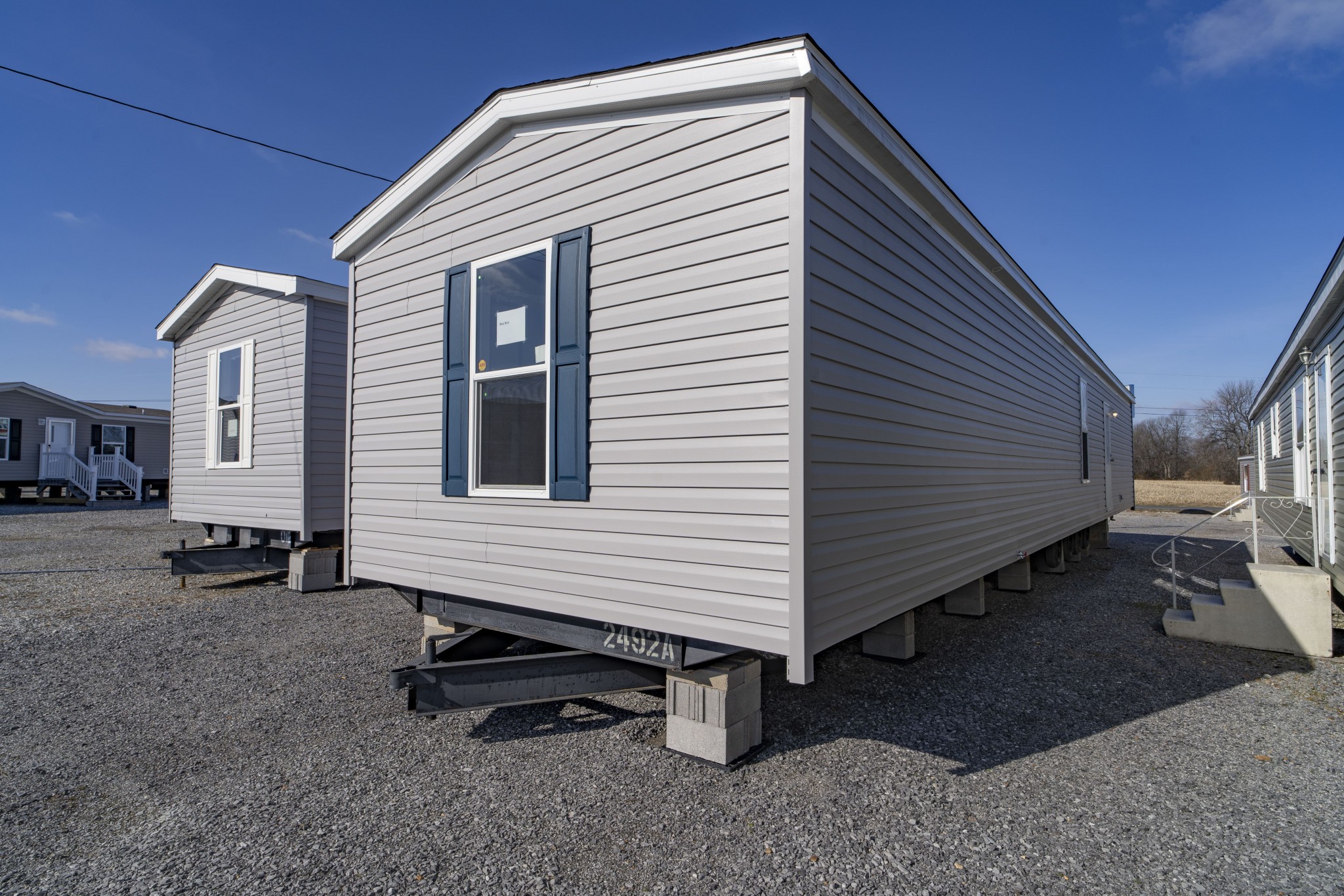
Several indicators show that your manufactured home may be not level. These comprise uneven floors, spaces between walls and ceilings, and difficulty opening or closing doors and windows. Frequently checking your house's level can help detect these concerns early, stopping more serious damage and costly repairs later on. Recognizing trailer house leveling professional is important for any homeowner looking to maintain their property.
To effectively level a mobile home, one must familiarize themselves with the fundamental elements of the building. Mobile homes are typically resting on blocks or piers that can move over time. Knowing how to evaluate and correct your home's foundation is essential for achieving a stable and well-balanced living environment. This understanding not only aids in the adjustment process but also plays a factor in ensuring that your home remains in good shape for years to come.
Crucial Tools for Leveling
When getting ready to level your mobile home, having the right tools is vital to ensure an effective and smooth process. Begin by gathering a reliable level, either a standard bubble level or a laser level, which will help determine how much adjustment is needed. A water level is also a useful alternative that can provide accuracy over extended spans. Alongside these, a measuring tape will be crucial for taking accurate measurements around your home’s foundation and ensuring everything is square.
In addition to leveling tools, you will need a set of jacks designed for mobile home leveling. These mechanical jacks are important for safely lifting your home to adjust the foundation. How to level a mobile home of blocks, such as concrete and steel piers, should also be available to provide sturdy support once the home is leveled. Don’t overlook to have shims on hand; these will be used to fill in gaps and provide additional stability after adjustments have been made.
Finally, preparation for the job also includes having fundamental hand tools like wrenches, screwdrivers, and a hammer. Safety gear, including gloves and goggles, shouldn't be overlooked, as maintaining safety during the process is as important as leveling the home itself. With these tools at your disposal, you'll be fully prepared to tackle the leveling of your mobile home with assurance.
Detailed Leveled Method
To begin the leveling method, ensure that you have your necessary tools and materials on hand. Start by using a liquid level or optical level to assess for any discrepancies in your mobile home's leveling. This involves measuring the height at various points around the perimeter of the home and identifying areas that warrant adjustment. Once you have gathered these measurements, you will be aware where to focus your efforts. It’s crucial to work in an organized manner, as this will help you maintain accuracy throughout the entire process.
Subsequently, secure the structure of your mobile home by jacking it up carefully. Use the lifting jacks to lift the parts of the home that are lower than the rest. As you raise the home, place supports or supports under the frame to provide solid support. It's crucial to keep checking your measurements during this phase to ensure that you are leveling evenly. Once you have lifted the necessary sections and modified the blocks accordingly, double-check the level again to confirm that your changes are successful.
After obtaining a level home, do not overlook to reinforce the weak spots to avoid future issues. Fill any voids with shims, as needed, to create a secure foundation. Lastly, take the time to review your entire leveling job. Check for evidence of stress on partitions, entrances, and windows that may have resulted from the unleveling. Completing these last checks will help you verify that your mobile home is not only even but also secure for years to come.
Lonestar Mobile Home Leveling & Skirting
276 County Rd 1700
Clifton, TX 76634
(254)266-5369